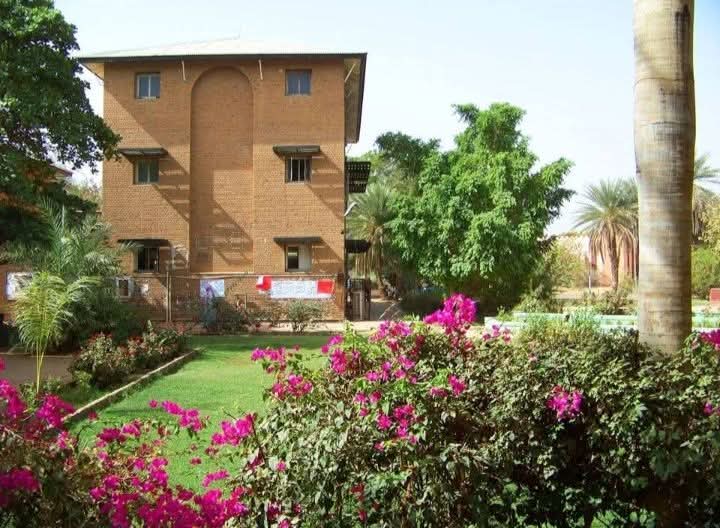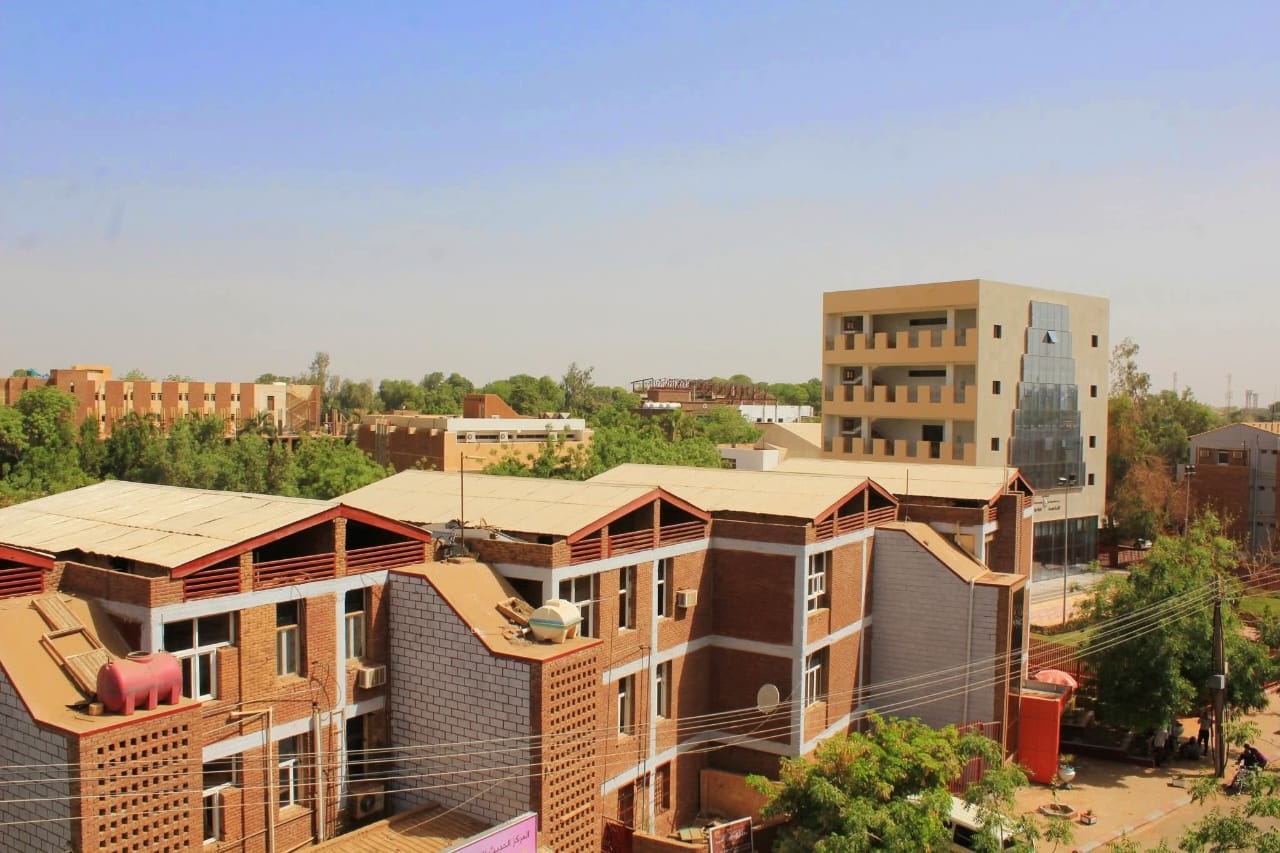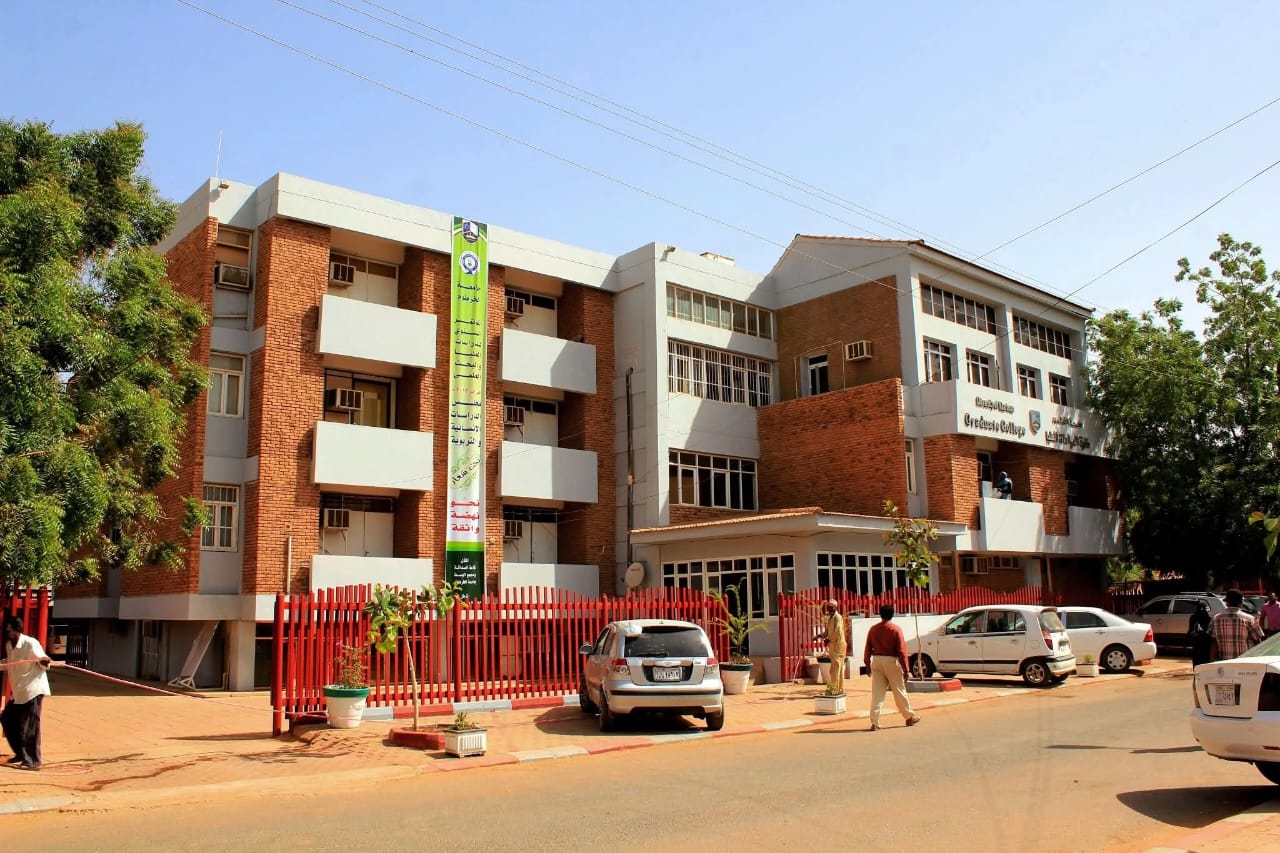




The university administration consists of the patron, the chairman of the university council, the university director, the vice-director, the university vice-chancellor, the secretary of academic affairs, the librarian, the dean of student affairs, and the deans of colleges, institutes, centers, and their assistant departments.
The University Council:
This council is responsible for reviewing university policies, such as creating and abolishing positions, establishing colleges and institutes, and developing university regulations and bylaws. The council consists of forty members: twenty-one members from outside the university (including the council chair) who possess competence, expertise, and an interest in education and national issues, appointed upon the recommendation of the Minister of Higher Education and Scientific Research; and nineteen members from within the university, including the university president, vice president, vice rector, secretary for academic affairs, librarian, dean of students, and eight other members elected by the faculty council, including at least three deans of colleges. The council also includes three representatives of university staff, two of whom are not faculty members, and two student representatives.
The Faculty Council:
This council is responsible for reviewing student admission procedures for undergraduate studies, awarding degrees, prizes, and honorary degrees, encouraging scientific research, and guiding the university's scientific policies.
Its membership consists of: the University President (Chairman of the Council), the Vice President, the University Provost, the Secretary of Academic Affairs (member and rapporteur of the Council), the Librarian, the Dean of Students, the Deans of the Faculties, the Directors of Institutes and Centers, the Heads of Departments and Administrative Units, and faculty members holding the rank of Professor.
University President:
The President is primarily responsible for the academic and administrative performance of the university. They are assisted by the Vice President, the University Provost, and the various university institutions (Deans' Council, Faculty Council, etc.).
The President chairs the Faculty Council, the Deans' Committee, the committees for appointing and promoting faculty members, the Planning and Development Committee, standing committees, and any other committees specified by the university's regulations and bylaws.
Vice President:
The Vice President acts on behalf of the President in their absence and is responsible to them for developing, managing, and coordinating academic activities at the university among colleges, research units, and other academic units. They also chair a number of committees as determined by the university's regulations and bylaws.
The Vice-Chancellor:
The Vice-Chancellor is responsible to the University President for the administrative and financial performance of the University, in accordance with the University's regulations and bylaws. He also serves as the rapporteur for the University Council and its Executive and Financial Committees.
The Secretary of Academic Affairs:
The Secretary of Academic Affairs is responsible for implementing and promoting academic performance at the University through:
Following up on the implementation of the decisions and recommendations of the Faculty Council.
Supervising student admissions and examinations.
Preparing and approving academic and honorary degrees.
Supervising the affairs of teaching assistants.
Preparing all University statistics, overseeing the printing of official University publications (such as the University Handbook), and amending the University's bylaws and regulations.
The Dean of Students:
In consultation with the Student Affairs Council, the Dean assists students in maximizing their academic, social, and educational potential. This includes ensuring order and proper conduct both within and outside the university. The Dean is responsible for implementing general student policies and overseeing the Student Union and its various activities. Their duties also include providing guidance, healthcare, psychological support, and educational assistance to students.